 Haul Hub Dumpster Rental
How To Load A Dumpster
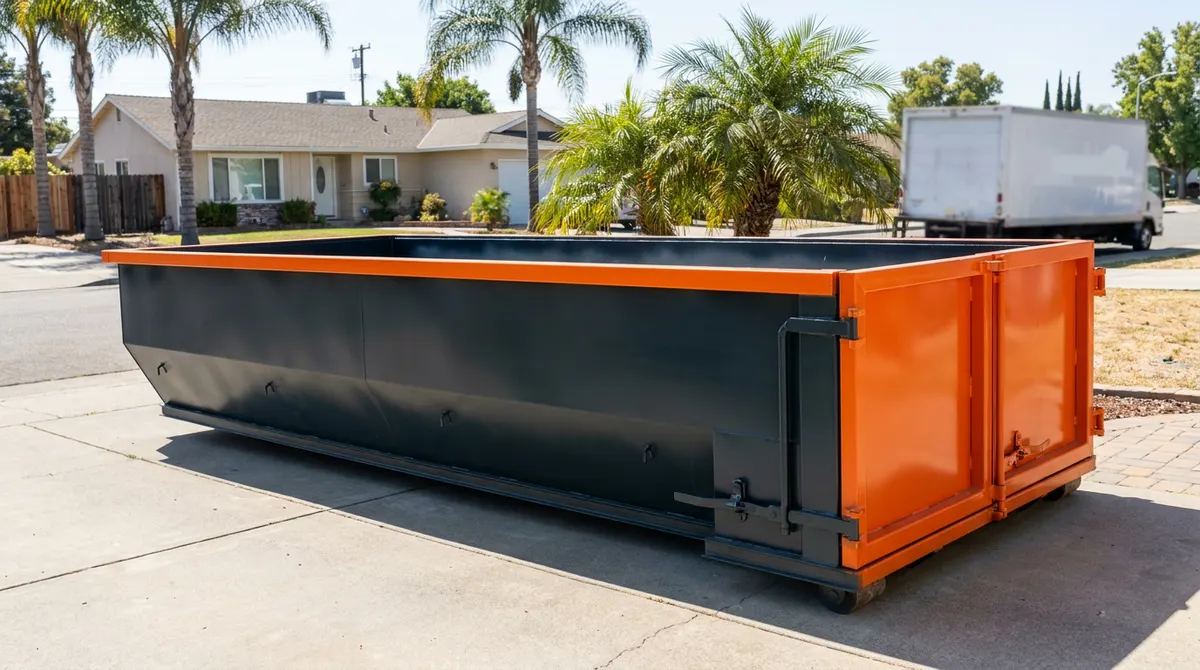
Properly loading a dumpster in San Jose involves strategic placement of debris to maximize space, stay within weight limits, and ensure safe transport. This guide covers techniques for handling heavy items, breaking down bulky materials, and understanding local restrictions to help residents and contractors in areas like Willow Glen, Almaden Valley, and Berryessa manage their waste efficiently.
Loading Heavy Items First
<p>Loading heavy items first in a dumpster helps distribute weight evenly and prevents lighter debris from becoming compacted and difficult to remove. This method is particularly effective for projects in San Jose neighborhoods like the Rose Garden or Willow Glen, where older homes often generate substantial amounts of concrete, tile, or stucco during remodels. Placing these dense materials at the bottom and against the walls of the dumpster creates a stable base. This approach also helps avoid an uneven load that could shift during transport, a safety concern on busy San Jose roadways like US-101 or I-280.</p><ol><li><strong>Position heavy items:</strong> Place large, dense objects, such as concrete blocks, bricks, or heavy timber, along the bottom and sides of the dumpster. This creates a stable foundation.</li><li><strong>Distribute weight evenly:</strong> Spread heavy materials across the entire floor of the dumpster to prevent one side from becoming overloaded. An even distribution helps maintain balance.</li><li><strong>Fill gaps with smaller heavy debris:</strong> Use smaller pieces of heavy waste, like broken tiles or asphalt chunks, to fill voids between larger items. This maximizes the usable space.</li><li><strong>Avoid central piling:</strong> Do not pile all heavy items in the center, as this can create an unstable load and make it harder to add lighter materials later.</li></ol>
Breaking Down Bulky Debris for Efficient Loading
<p>Breaking down bulky debris, such as furniture, appliances, or large cardboard boxes, significantly increases a dumpster's capacity. This practice is crucial for projects in San Jose, especially when dealing with residential cleanouts in areas like Evergreen or Cambrian Park, where diverse household items need disposal. Dismantling items like old couches, cabinets, or wooden pallets into smaller, flatter pieces allows for more efficient stacking and reduces air pockets. For instance, a collapsed cardboard box takes up considerably less space than an intact one. This strategy helps manage the total volume of waste, potentially preventing the need for a second dumpster rental and associated costs. Local waste management guidelines, such as those from the California Department of Resources Recycling and Recovery (CalRecycle), often encourage volume reduction to optimize transport and disposal efficiency.</p>
Staying Under the Fill Line and Weight Limit
<p>Adhering to the dumpster's fill line and specified weight limit is critical for safety, regulatory compliance, and avoiding additional charges in San Jose. Each dumpster, regardless of its size, from a 10-yard bin common for tight driveways in Willow Glen to a 30-yard container for larger construction sites, has a clearly marked fill line. Overfilling beyond this line can lead to spillage during transport, posing a hazard on public roads like Highway 87 or Capitol Expressway. Furthermore, the total weight of the debris must not exceed the dumpster's specified tonnage limit. Many San Jose remodels, especially those involving older Eichler or mid-century homes, generate heavy materials like stucco, tile, and concrete, which can quickly push a dumpster over its weight allowance. Haulers must comply with Department of Transportation (DOT) regulations regarding vehicle weight, making accurate loading essential. Exceeding these limits can result in significant overweight fees. It is always recommended to understand the <a href="https://www.epa.gov/hw/learn-about-hazardous-waste">Environmental Protection Agency (EPA)</a> guidelines for waste disposal, particularly for materials that might be considered hazardous.</p><ul><li><strong>Observe the fill line:</strong> Never load debris higher than the top edge of the dumpster walls. All materials must be contained within the bin for safe transit.</li><li><strong>Monitor material density:</strong> Be mindful of the density of materials being loaded. Heavy items like dirt, concrete, or asphalt consume weight capacity quickly.</li><li><strong>Distribute weight evenly:</strong> Spread heavy and light items throughout the dumpster to prevent concentrated weight in one area, which can cause instability.</li><li><strong>Understand the weight limit:</strong> Know the specific tonnage limit for the rented dumpster size. This information is typically provided at the time of rental.</li><li><strong>Account for moisture:</strong> Rain can add significant weight to porous materials like wood or drywall, potentially pushing the load over the limit.</li><li><strong>Plan for heavy debris:</strong> If disposing of primarily heavy materials, consider a smaller dumpster size with a higher weight allowance, or plan for multiple pickups.</li></ul>
Mistakes That Trigger Extra Charges
<p>Several common loading mistakes can lead to unexpected extra charges for dumpster rentals in San Jose. The most frequent issue is <strong>overfilling</strong> the dumpster, where debris extends above the top edge. This creates a safety hazard and prevents the hauler from securely tarping the load, resulting in an additional fee for manual removal or refusal of service. Another significant charge comes from exceeding the dumpster's specified <strong>weight limit</strong>. For projects in Almaden Valley or Silver Creek, where hillside properties may generate substantial rock or soil, or for San Jose State University area renovations that involve old building materials, monitoring the weight is crucial. Heavy materials like concrete, asphalt, and dirt accumulate tonnage rapidly. Placing prohibited items, such as <a href="https://www.earth911.com/">household hazardous waste</a> (e.g., paints, solvents, batteries, tires), refrigerators, or air conditioners, also incurs steep penalties and specialized disposal fees. These items are typically subject to strict environmental regulations by agencies like the Santa Clara County Household Hazardous Waste Program. Furthermore, attempting to compact waste aggressively to fit more in can damage the dumpster, leading to repair charges. Understanding these potential pitfalls helps San Jose residents and businesses manage their waste disposal budget effectively.</p>
Quick questions
What items are prohibited from a dumpster rental in San Jose?
Prohibited items typically include hazardous waste (paints, oils, chemicals), tires, batteries, asbestos, medical waste, and appliances containing refrigerants (like refrigerators or air conditioners). These require specialized disposal methods due to environmental and safety regulations.
Do I need a permit for a dumpster in San Jose?
A permit is generally required if the dumpster will be placed on a public street, sidewalk, or any city-owned property within San Jose. Placement on a private driveway usually does not require a city encroachment permit. Check with the City of San Jose Public Works Department for specific requirements.
How much weight can a dumpster hold?
The weight capacity varies significantly by dumpster size. A 10-yard dumpster might include 1-2 tons, while a 30-yard dumpster could include 3-5 tons. Exceeding this included tonnage will result in additional charges, especially with heavy materials like concrete or dirt common in San Jose construction.
Need it handled now? See Dumpster Rental in San Jose.